


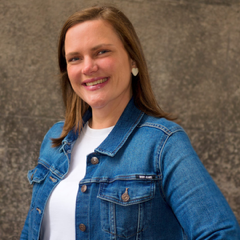
Meet Claire Lagerwall
- Claire Lagerwall
- Nov 3, 2025
- 3 min read
1 What inspired you to pursue your dream of writing a novel during the 2020 lockdown, and how did that moment shape your writing approach today?
The 2020 lockdown was a strange pause in the busyness of life. For me, it became a sacred space to reflect, grieve, and listen. I’d always written in some form, but during lockdown, I felt a nudge from God that it was time to share the stories stirring inside me. The stillness gave me permission to dream — and to act on that dream. That season taught me not to wait for ideal conditions but to trust that if a story is placed on your heart, the time to write it is now.
2 Your stories explore themes of grief, loss, and redemption with emotional rawness. How do you balance these heavy emotions with hope and faith?
Life is layered. There’s no avoiding sorrow, but there’s also no denying hope. In my writing, I don’t shy away from pain because it’s often in the broken places where God meets us most profoundly. But I always write with the intention of pointing toward light — toward healing, grace, and the quiet beauty of redemption. Faith is the thread that binds it all together, not in perfection, but in process.
3 As a South African-born, Ireland-based author, how do your cultural background and experiences influence your storytelling?
I carry both lands with me — South Africa’s intensity, its contrasts, its deep soulfulness, and Ireland’s quiet strength and beauty. These landscapes shape my characters’ worldviews and emotions. Themes like belonging, displacement, and identity naturally flow into my stories because I live them. My characters often find themselves between worlds, just as I do, learning how to root themselves in grace and truth.
4 How does The Freelancer’s Hope fit within the larger Our House on Heather Wynd series, and what can readers expect from your contribution?
The Freelancer’s Hope is a story about unexpected second chances — about what it means to surrender control when life doesn’t go the way we imagined. It brings a gentle yet emotional narrative into the series, highlighting themes of restoration, the courage to start over, and the beauty of a God-orchestrated connection. Readers can expect heart, depth, and that familiar thread of faith that runs through the whole Heather Wynd series.
5 You also contributed to the Our House on Sycamore Street series. How was that experience different, and what did it mean to be part of a multi-author project?
Our House on Sycamore Street was my first time stepping into a collaborative fiction series, and it was a wonderfully stretching experience. Working alongside other authors taught me about trusting the process, respecting different voices, and weaving my story into a shared world. With Our House on Heather Wynd, I came in with a clearer vision and a deeper appreciation for the magic that happens when hearts and stories come together with a united purpose.
6 Your writing is faith-driven. How does your personal faith journey shape your storytelling and message?
My faith is the foundation of everything I write. I don’t just want to tell stories — I want to tell truth. Sometimes that truth is messy and painful, but it’s always anchored in the goodness of God. I often pray before writing and ask the Holy Spirit to lead. That’s where the heart of my stories comes from. I believe every book is a form of ministry, a whisper of grace for someone who needs it.
7 How do you balance writing with family life, music, and your day job?
It’s definitely a juggling act! But I’ve learned to write in the margins — early mornings, late evenings, moments in the car. I’m intentional about staying present with my kids and husband, and I also recognise that writing fills my cup. Worship and music help ground me spiritually, and my technical writing job keeps me sharp and disciplined. It’s not about perfect balance — it’s about knowing what God has called me to in each season and leaning into that with grace.
8 What advice would you give to aspiring authors who want to write emotionally rich, faith-centred stories?
Start with truth. Be willing to go deep, even if it’s uncomfortable. Write from the heart, not just the head. Invite God into your process. If you’re called to write stories of redemption, know that your words might be the very lifeline someone needs. And remember — you don’t need to have all the answers. You just need to be faithful to the story He’s given you.

Connect with Claire at www.clairelagerwall.com or follow her on Instagram and Facebook @clairelagerwallofficial.


Comments