


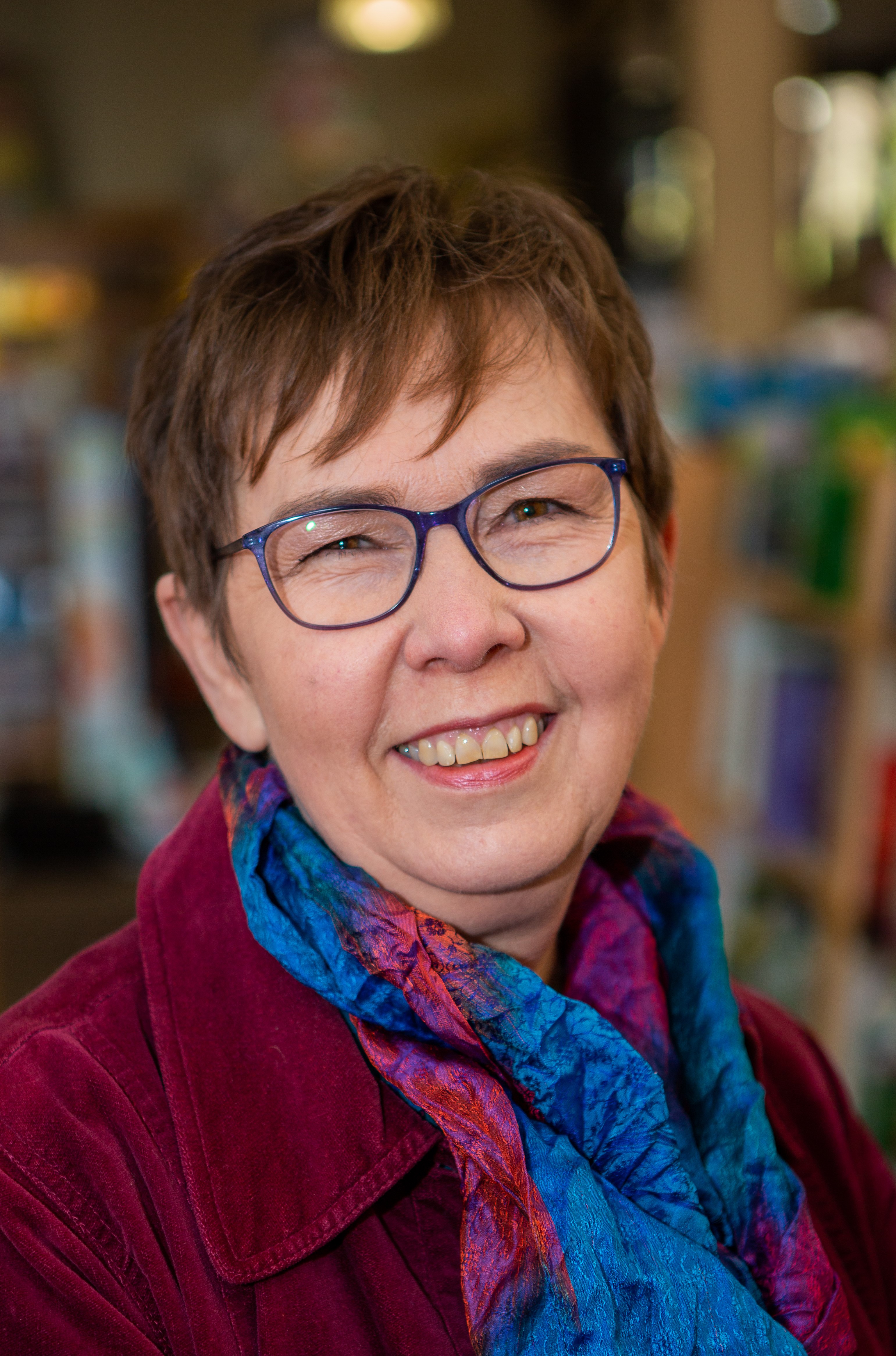
Meet Elsabé Welman
- Elsabé Welman
- May 25
- 5 min read

1. You began writing part-time in 2014 and stepped into full-time writing in 2021. What changed during that season, both practically and spiritually?
In June 2014, we were in a tough spot. I wanted to escape from it and started with a nice (unrealistic!) world with cute characters — no flaws, ha-ha! It was meant to be just a quick escape. But my fingers wouldn’t stop, and more stories followed. After my seventh manuscript, my husband and a friend convinced me to submit one. I couldn’t believe when the first manuscript was accepted! I began to believe I could make it work but was still very green and absorbed knowledge like a sponge. My stories shifted toward reality — toward a need for readers to find themselves in a character, to find possibility or a lesson, hope or comfort.
2. Your second novel Filtervlinder was named runner-up in a competition in 2017. How did that early recognition affirm your calling?
Filtervlinder is still the closest to my heart to this day. The fact that the story received so much recognition moved me deeply — especially because the characters were full of flaws, and it was also a Christian romance. Needless to say, I was blowing bubbles of happiness. I poured my heart out in this novel and knew this is what I want to write. Still, the rebel in me decided to try other genre’s too.
3. When Maretha Maartens described you as “a real young adult author”, how did that encouragement shape your confidence moving forward?
I had entered the book, #vlugenterug, in a youth competition and didn’t even make the shortlist. I began to doubt both myself and the genre at the same time. Maretha’s feedback was such a gift — it gave me just the boost I needed. I still believe it’s a unique book, but my experience in the genre was lacking at the time. Voorbarige Kersboom became my second Young Adult book. Both, however, didn’t sell as well as my other books — particularly compared to my Christian romances, which I use as a measure of where my writing has the most impact.
4. Afrifiksie awarded you twice for your youth fantasy short stories. What draws you to writing for younger readers?
I was still very new to the writing world when I tackled it. I wanted to test and challenge myself — to explore which genres felt comfortable. Science fiction and youth fiction, combined with the short story format, were all a challenge. The fact that those stories did so well was a great surprise, and a motivation to take on the Young Adult novellas. But also, a motivation to simply keep writing.
5. You’ve worked as a teacher, lecturer, entrepreneur, and in various other roles. How have those life experiences — and your faith — influenced the way you tell stories?
And don’t forget the years we lived in Mozambique!
Everything in life is like stepping stones that help you take the next step. Each one carries experience, courage, trust in God, and an understanding of people. Every relocation, every career direction, every dark night and bright day, every person who crossed your path, every region and country — it all becomes part of a person’s DNA.
I wrote Klonte Sout and realised afterwards that it’s a friend’s story. I wrote Filtervlinder because I knew someone who had stood in my female character’s shoes. I believe that what God has taught me and allowed me to experience was not for nothing. There is something in each of us that can benefit someone else.
6. Faith often quietly underpins fiction, even when it isn’t overt. How does your relationship with God find its way into your characters and themes?
This was a challenge to navigate with care. I found that my comfortable genre is romantic suspense — which means I also need to start thinking and writing more like a villain. That’s reality, after all. I decided that not all my stories needed to carry an overtly Christian tone, but that they would always carry an uplifting meaning, so that non-Christians will also read the book and still take something away for themselves.
Then God taught me a lesson — and to this day, my Christian fiction series remains my top sellers, even though they are my oldest books. Since then, I still write reality, but always with a Christian character and real-life struggles. And it has become comfortable, because that is who I am.
7. You’re part of the Our House series this year, launching on 9 October. What can readers expect from your contribution?
You can expect a very odd male character who irritates and pushes everyone away. The town had given up on him — until disaster strikes the community and a painful history force everyone to face what they’ve been avoiding.
8. What do you think is most meaningful about writing within a collaborative series?
It’s a challenge! There are characters in town that have already been created, and you need to take them into account. As a writer, I must get to know them — the way you would when moving into a new town.
Writing together on a series is a good challenge — to sometimes step outside your own comfort zone of writing and take your fellow authors and their stories into consideration.
9. Writing full-time takes courage. What sustains you spiritually during seasons of doubt or creative fatigue?
I talk to my Lord. Even when a scene is difficult, or I don’t know which direction to take, I ask for His help. The same for courage or energy to keep going.
I’m also grateful for a tribe of authors. WhatsApp and social media help us stay connected, learn from each other, and attend webinars together. It’s wonderful to be part of a group where you can say when you’re having a dark day — or share a joy when you have one.
10. If you could encourage aspiring writers who are waiting for their breakthrough, what gentle reminder would you offer them?
Believe in yourself, but be willing to learn from others.
Handle criticism — it shapes your writing.
Don’t be jealous of other writers. Don’t think you’re failing because you can’t match their income or fame. Find yourself in a genre and work with it.
Don’t try to duplicate someone else — keep your own uniqueness and writing style.
Don’t let yourself be pushed into a box of book formulas for the sake of sales. Write what is within you, give it to the world, and stay true to yourself.
Just enjoy it. If you don’t enjoy it, don’t put that burden on your shoulders.
Keep going. Don’t give up.
“A professional writer is an amateur who didn’t quit.” — Richard Bach


Comments